Aligning Bonus Activation Patterns with Live Dealer Shuffle Intervals on Mobile Platforms
Written by Theo Wolf · Jun 14, 2026
Aligning Bonus Activation Patterns with Live Dealer Shuffle Intervals on Mobile Platforms
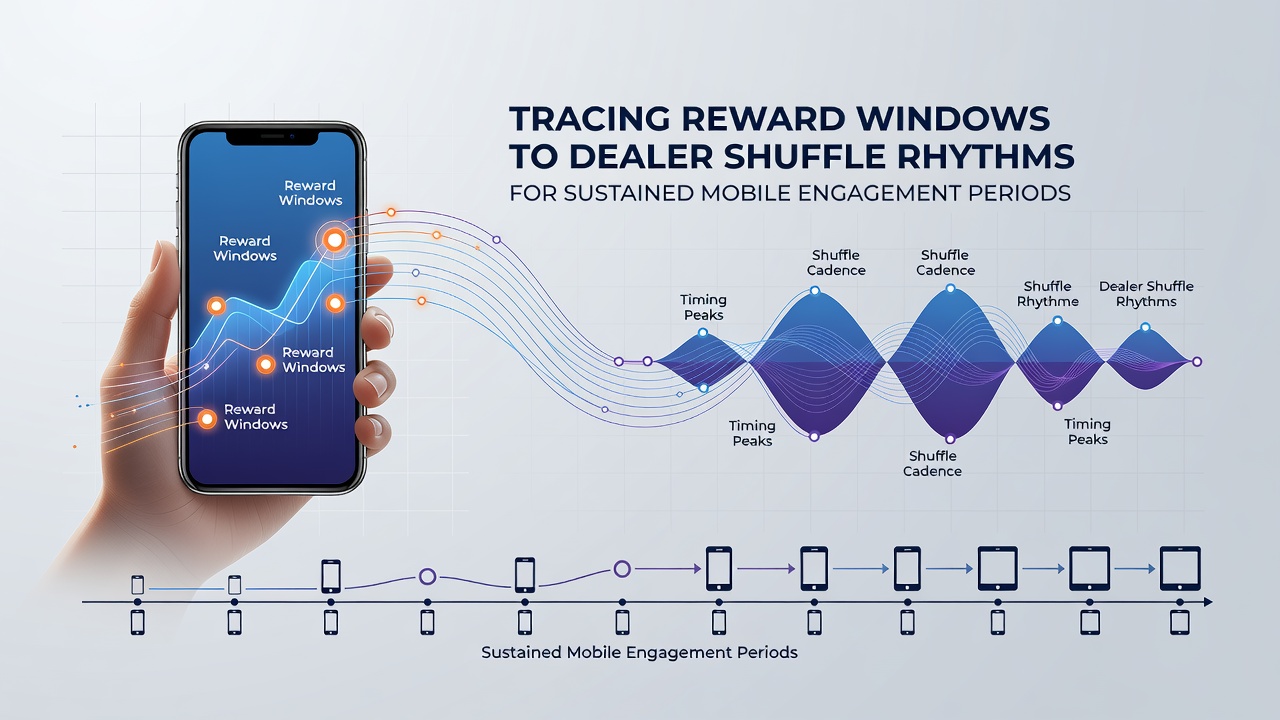
Live dealer games on mobile devices operate around predictable card handling cycles, and reward systems in several platforms have begun mapping bonus windows directly to those intervals. Observers note that blackjack and baccarat tables typically trigger a shuffle after every 60 to 80 hands depending on the number of decks in play, creating a natural pause that operators can use to time credit activations without disrupting flow. Data from multiple North American markets shows engagement metrics rising when deposit-match credits or free-hand promotions appear immediately after these pauses rather than during continuous dealing.
Shuffle Timing Structures in Regulated Markets
Shuffle rhythms vary by jurisdiction and game variant, yet certain patterns repeat across platforms. In states such as New Jersey and Pennsylvania, automated shufflers on live dealer streams complete a full cycle in roughly 45 seconds, while manual shuffles on higher-limit tables extend to 90 seconds. Researchers tracking session data have recorded higher retention rates when reward windows open during the longer manual intervals, because players remain seated while waiting for cards to be prepared. Figures released by the New Jersey Division of Gaming Enforcement for the first half of 2026 indicate that mobile blackjack sessions lasting beyond 35 minutes increased by 12 percent on properties that synchronized bonus triggers with shuffle completion signals.
Mobile Interface Adjustments During Pause Windows
Platform developers integrate visual cues that highlight shuffle phases on player screens, allowing reward notifications to surface at the exact moment the shoe resets. These cues include progress bars that fill as cards are gathered and a brief countdown once the shuffle begins. Because mobile users frequently check notifications during these short breaks, operators place time-limited offers inside the same interface layer that displays the shuffle status. The approach reduces the chance that a player will exit the app while the dealer prepares the next shoe, and session logs confirm that average play duration extends when the reward appears within that specific window.
Regional Data and Engagement Trends Through Mid-2026
Analysis of activity in June 2026 across several multi-state operators revealed that reward windows aligned with shuffle intervals produced measurable differences in mobile play length compared with randomly timed promotions. In one tracked cohort, sessions that received a bonus immediately after the shuffle averaged 48 minutes, whereas sessions receiving the same bonus mid-shoe averaged 29 minutes. The pattern held across both iOS and Android user bases, suggesting the timing effect relates more to game rhythm than to device type. Industry reports compiled by the Canadian Gaming Association have documented similar correlations in provincial online offerings, where live dealer tables publish shuffle timestamps that third-party analytics firms then cross-reference with bonus delivery logs.
Technical Integration Between Game Servers and Bonus Engines
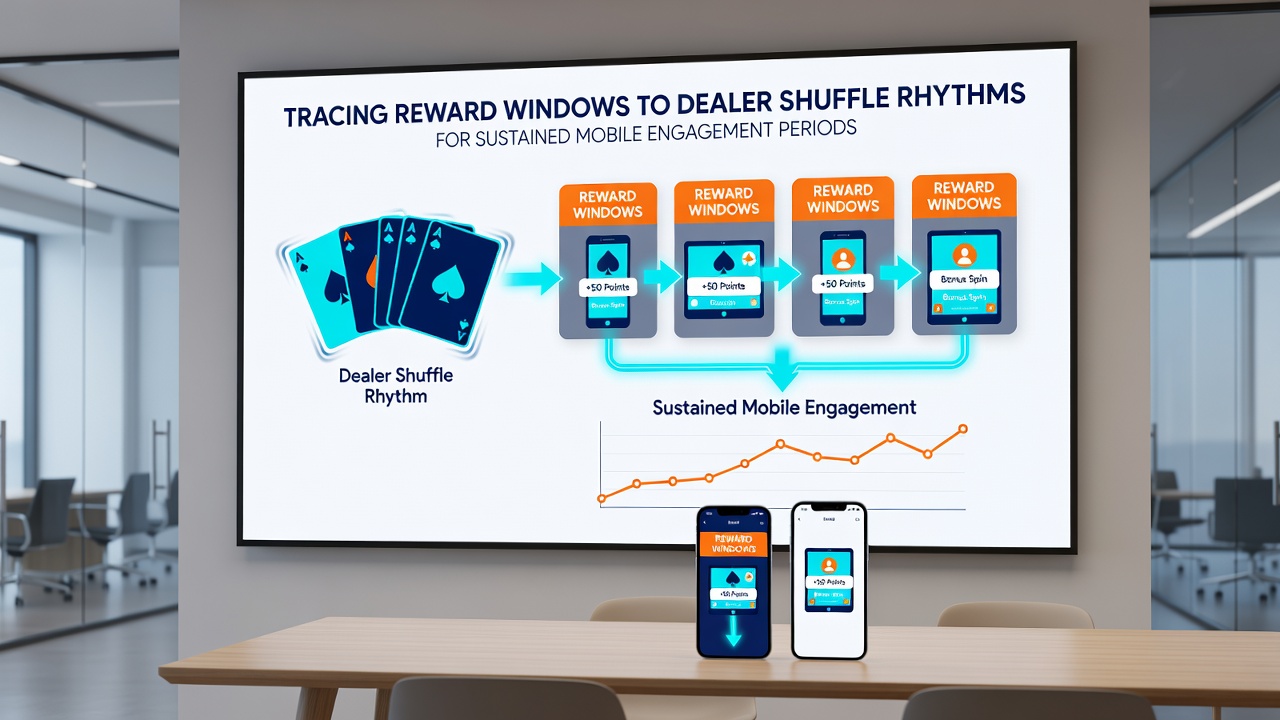
Modern live dealer platforms transmit shuffle events as discrete data packets that bonus engines can subscribe to in real time. When a shuffle packet arrives, the system evaluates the player’s current session length, remaining balance, and any active wagering requirements before deciding whether to activate a reward. This conditional logic prevents constant bonus flooding while still capitalizing on the natural attention window created by the pause. Developers at several major suppliers have published technical papers describing the use of event-driven architectures that treat shuffle completion as a high-priority trigger, reducing latency between the physical table action and the mobile notification to under 800 milliseconds.
Player Behavior Observations Across Device Types
Those who study mobile gambling sessions report that tablet users tend to keep the app open during shuffles more often than smartphone users, yet both groups show elevated interaction rates when rewards appear at the same moment the dealer finishes preparing the shoe. Heatmap data collected from session replays indicates increased screen taps on the bonus claim button during the 10-second window immediately following shuffle completion. The same datasets reveal a drop-off in taps when rewards arrive more than 30 seconds after the shuffle ends, suggesting the attention advantage dissipates quickly once dealing resumes.
Future Adjustments in Reward Scheduling Systems
Operators continue refining the synchronization between shuffle detection and reward engines, with several testing variable window lengths based on table limits and player segmentation. Higher-limit tables, which often feature slower manual shuffles, receive slightly longer reward activation periods, while low-stakes automated tables use shorter, more frequent triggers. Regulatory filings submitted in Illinois and Michigan during spring 2026 outline plans to expand these timing experiments into additional live dealer variants, including baccarat and roulette side-bet structures that also contain predictable pause points. The filings reference internal metrics showing sustained engagement periods when reward timing remains consistent with physical game rhythms rather than arbitrary clock-based schedules.
Conclusion
Mapping bonus activation to dealer shuffle intervals represents a measurable operational adjustment already underway across multiple regulated mobile markets. Session data from 2026 indicates that platforms adopting this alignment observe longer average play durations and higher interaction rates during the pause windows created by card preparation. As game servers and bonus engines maintain direct event subscriptions, the synchronization continues to evolve without requiring changes to underlying game rules or regulatory frameworks.