Aligning Reward Mechanisms with Volatility Patterns Across Cross-Border Mobile Gambling Platforms
Written by Theo Wolf · Jul 26, 2026
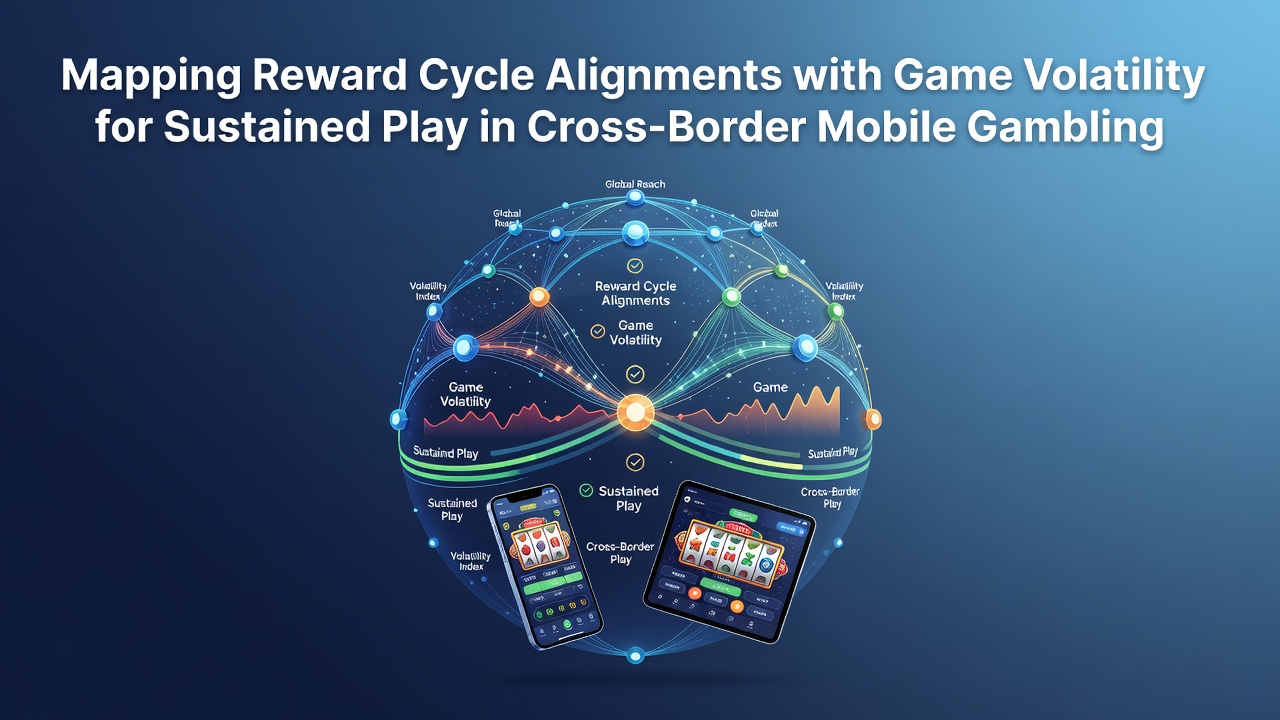
Aligning Reward Mechanisms with Volatility Patterns Across Cross-Border Mobile Gambling Platforms
Cross-border mobile gambling continues to expand in 2026 as operators integrate reward cycle data with game volatility metrics to maintain longer play sessions across different regulatory jurisdictions. Research from the National Institute for Gaming Studies indicates that synchronized reward activations and volatility adjustments help stabilize engagement rates when players switch between markets with varying payout structures.
Core Elements of Reward Cycles in Mobile Environments
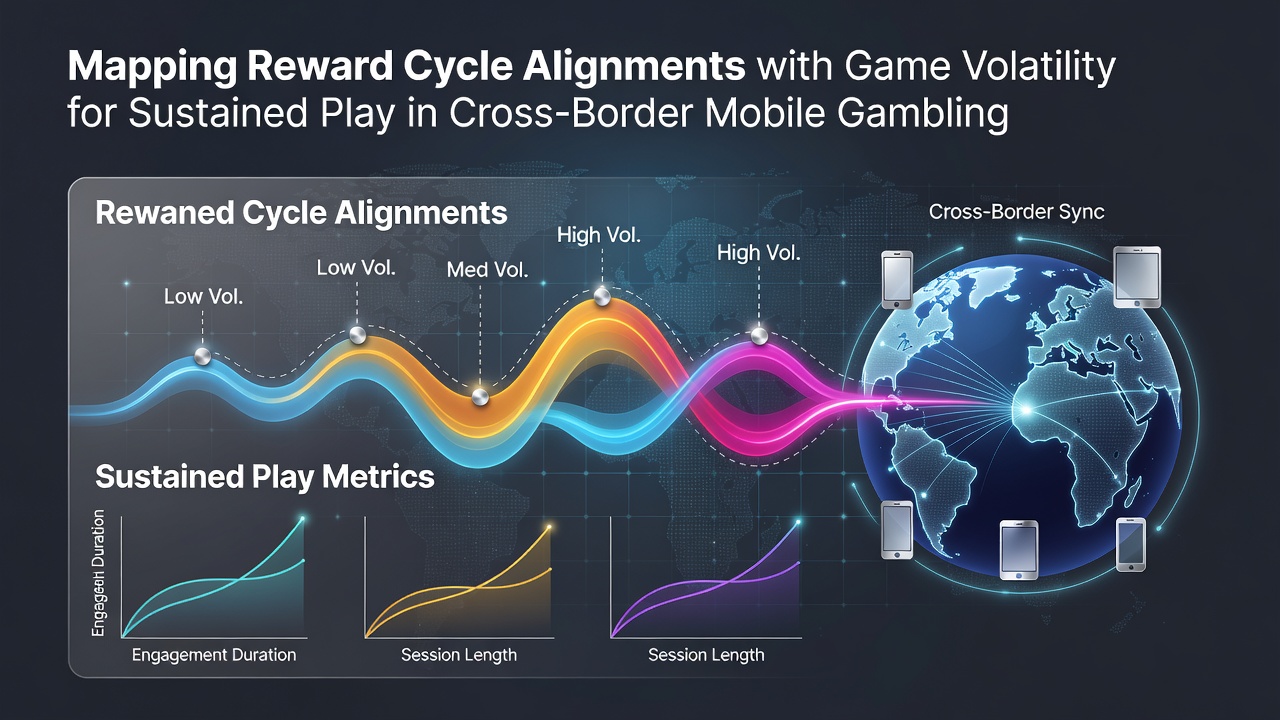
Reward cycles consist of bonus triggers, loyalty point accumulations, and payout intervals that operators time to coincide with player activity peaks, while game volatility refers to the frequency and size of wins within slots or table games. Data from the Canadian Centre for Gaming Research shows operators who map these elements together achieve steadier session durations because high-volatility titles pair with extended reward windows that offset longer losing streaks. Observers note that low-volatility games receive shorter reward cycles to encourage repeated small bets without rapid depletion of player funds.
Volatility Mapping Techniques Used by Operators
Operators apply volatility mapping by analyzing historical spin data and payout distributions then adjusting reward frequency accordingly. A study released in early 2026 by the Asia-Pacific Gaming Analytics Institute found that platforms using real-time volatility tracking in mobile apps reduced session drop-offs by coordinating jackpot triggers with medium-volatility games during peak cross-border traffic hours. Those who've examined transaction logs across multiple markets report that such alignments become particularly useful when currency fluctuations affect bonus values between regions.
Cross-Border Regulatory Influences on Alignment Strategies
Regulatory differences across borders require operators to recalibrate reward and volatility pairings frequently. For instance, platforms operating between North American and European markets adjust cycle lengths to match local rules on bonus expiration and game return percentages. Figures released by the Australian Gambling Research Centre in July 2026 reveal that operators who synchronized reward activations with volatility levels across jurisdictions maintained higher retention metrics compared with those using uniform global settings. And because mobile devices handle real-time updates through geolocation, players experience these adjustments without manual intervention.
Mobile Technology Enabling Precise Synchronization
Smartphone sensors and app-based telemetry allow operators to track play pace and adjust volatility exposure on the fly while reward cycles remain visible through in-app notifications. Experts at the European Institute for Interactive Gaming have documented cases where mobile platforms extended no-deposit credit windows by aligning them with low-volatility periods, thereby sustaining play across time zones. Players moving between markets benefit when systems automatically shift from high-volatility jackpot modes to steadier reward cycles as location data changes.
Data Patterns Observed in 2026 Market Reports
Market analyses compiled through mid-2026 demonstrate consistent patterns when reward cycles match volatility profiles. The Singapore Gaming Authority's quarterly update highlighted that cross-border mobile sessions lasting beyond thirty minutes increased when operators used volatility buffers around reward activation points. Researchers discovered that tournaments incorporating mapped alignments produced more uniform participation rates across different national player bases because the system prevented sudden volatility spikes from interrupting ongoing reward sequences.
Implementation Challenges Across Jurisdictions
Technical integration remains complex because each border imposes distinct reporting requirements on payout frequencies and bonus structures. Operators must maintain separate volatility databases for each region yet feed them into a single mobile interface that updates reward cycles dynamically. Industry reports from the International Association of Gaming Regulators note that successful platforms rely on modular software layers capable of switching alignment rules without interrupting live sessions.
Conclusion
Mapping reward cycle alignments with game volatility supports sustained play in cross-border mobile gambling by matching payout rhythms to risk profiles across varying regulatory environments. Continued development of mobile tracking tools and regional data integration points to further refinements in these strategies throughout the remainder of 2026.