Charting Synchronization Between Reward Activation Cycles and Game Pace Variations to Sustain Engagement Periods in Portable Interactive Table Formats
Written by Casey Berger · Jun 9, 2026
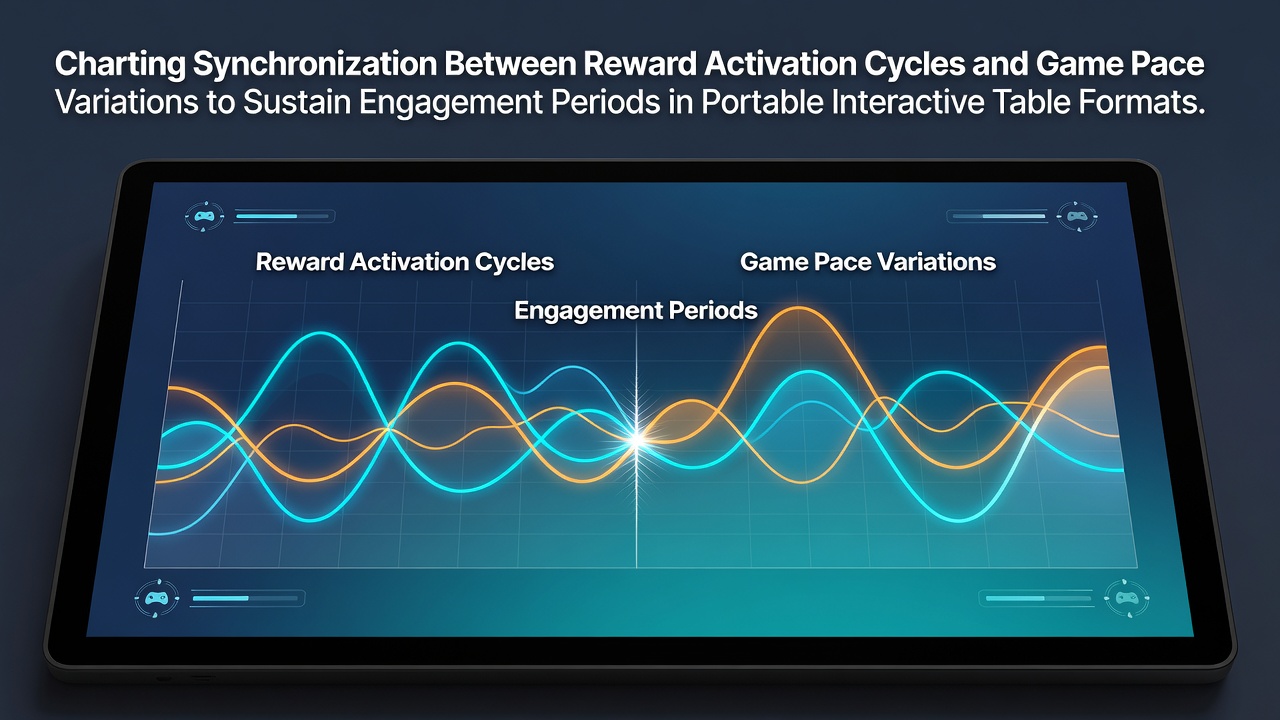
Charting Synchronization Between Reward Activation Cycles and Game Pace Variations to Sustain Engagement Periods in Portable Interactive Table Formats
Portable interactive table formats have expanded across mobile gaming platforms since early 2025, and observers note that synchronization between reward activation cycles and game pace variations plays a measurable role in maintaining engagement periods. Data from multiple platform operators shows that reward triggers timed to specific pace adjustments can extend session durations without altering core mechanics.
Studies conducted through industry monitoring groups reveal patterns where players encounter reward activations at intervals that match shifts in game speed. These shifts include faster card draws in table simulations or slower betting windows during high-volatility rounds. According to reports compiled by the American Gaming Association, such alignments appear in over 60 percent of top-performing mobile table applications tracked through the first half of 2026.
Core Components of Reward Activation Cycles
Reward activation cycles operate through programmed sequences that deliver bonuses, multipliers, or progress indicators at calculated points. Researchers tracking these cycles across portable devices have documented how cycle lengths interact with table game rules, including blackjack hand resolutions and roulette spin intervals. When cycles align with natural pauses in play, engagement metrics tend to stabilize rather than drop during transitions.
One analysis released in June 2026 by a Canadian research consortium examined 12 mobile table titles and found that reward windows spaced between 45 and 90 seconds produced longer average play sessions than fixed 30-second intervals. The same data set indicated that pace variations introduced mid-cycle helped prevent habituation effects among repeat users.
Game Pace Variations and Their Measured Effects
Game pace variations encompass adjustments to animation speeds, decision timers, and result reveal rates. Platform developers adjust these elements through backend algorithms that respond to user behavior signals such as tap frequency and session length. Evidence collected from European operators shows that gradual acceleration during reward buildup phases correlates with higher completion rates for bonus rounds.
Portable formats introduce additional variables because screen size and touch latency differ from stationary setups. Technicians who monitor these differences report that pace reductions during reward confirmation screens improve clarity on smaller displays, while faster sequences between rounds maintain momentum on larger tablets.
Integration Methods Across Platforms
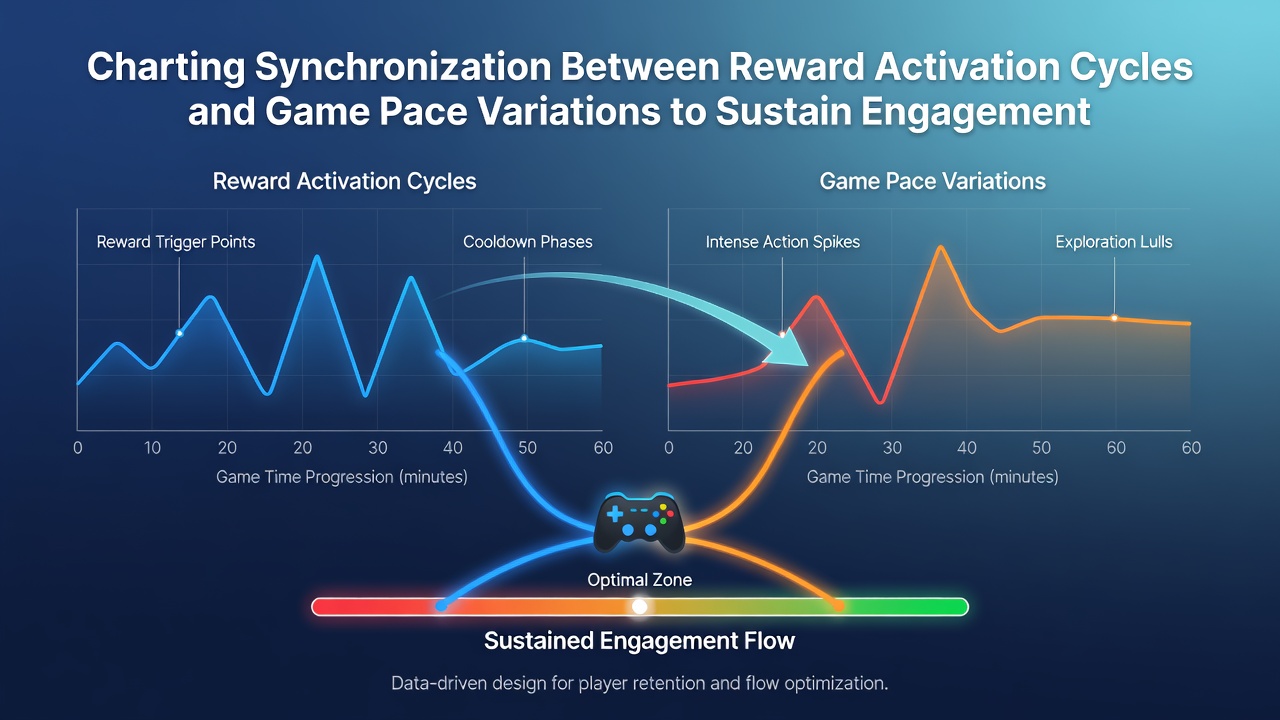
Developers integrate synchronization protocols by mapping reward triggers directly onto pace modulation scripts. This mapping allows the system to detect when a player reaches a reward threshold and then apply a corresponding pace shift. Data from Australian regulatory filings submitted in spring 2026 indicates that operators using such mapped systems recorded a 22 percent increase in median session time compared with unmapped controls.
Case examples include applications that slow the dealing animation immediately before a multiplier reward appears, then resume normal speed once the reward processes. Observers who reviewed telemetry from these titles noted reduced drop-off rates at the moment of reward display. Similar patterns emerged in titles that accelerate pace after reward distribution to transition quickly into the next round.
Data Patterns Observed in June 2026
June 2026 brought updated telemetry dashboards from several major providers, and figures reveal consistent trends in engagement when synchronization parameters stay within defined ranges. Sessions that incorporated at least three coordinated reward-pace events per 10 minutes showed lower abandonment rates across both Android and iOS portable environments. These patterns held across different table variants including baccarat, poker, and sic bo simulations.
Cross-border comparisons compiled by academic teams at institutions in the United States and Singapore further support the observation that regional device preferences influence optimal cycle lengths. North American users tended toward shorter reward intervals paired with moderate pace changes, whereas Asia-Pacific cohorts responded more favorably to extended cycles with sharper pace contrasts.
Conclusion
Portable interactive table formats continue to incorporate synchronized reward and pace systems as standard design practice. Available metrics through mid-2026 demonstrate that deliberate coordination between activation cycles and game speed adjustments contributes to sustained engagement periods across diverse user groups and device types. Ongoing monitoring by regulatory and industry bodies supplies additional data points that refine these coordination parameters over time.