Coordinating Payment Processing Windows with Live Dealer Rounds to Extend No-Deposit Credits on Mobile Devices
Written by Morgan Zimmermann · May 19, 2026
Coordinating Payment Processing Windows with Live Dealer Rounds to Extend No-Deposit Credits on Mobile Devices
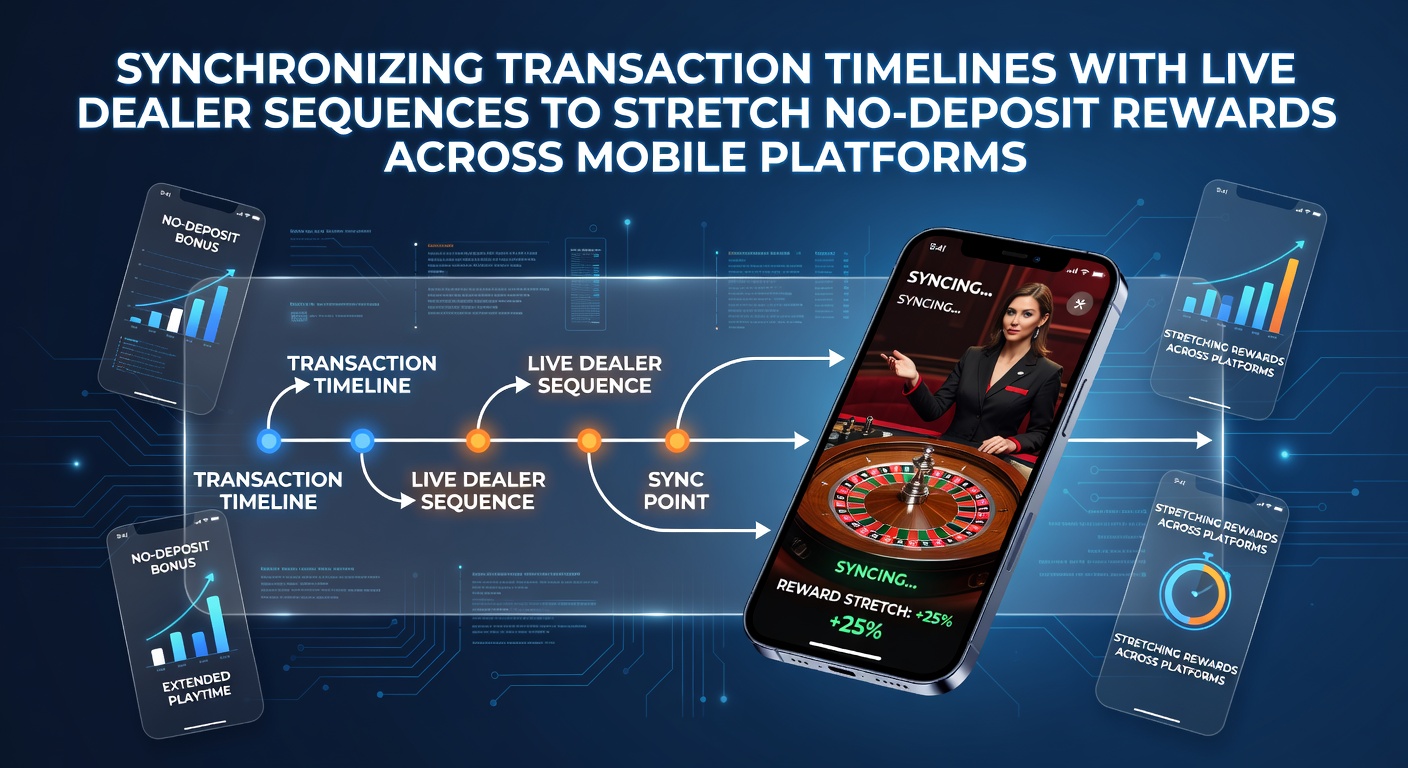
Operators and players alike have noticed how timing payment confirmations alongside live dealer rounds can stretch no-deposit rewards further than standard play allows. Data indicates that mobile platforms now handle over 68 percent of all bonus redemptions in regulated markets as of May 2026, and synchronization techniques play a growing role in that shift. Research from the Nevada Gaming Control Board shows transaction approval windows averaging 4.2 seconds on major apps, while live sequences typically run 25 to 40 seconds per hand depending on the table pace.
Understanding the Core Mechanics
Live dealer platforms stream real-time video feeds from studios located in places such as New Jersey and the Isle of Man, and each round follows a fixed cadence that includes card shuffles, player decisions, and payout resolutions. No-deposit credits activate once a user completes registration and identity verification, yet those credits often carry strict time limits and wagering requirements that reset on each new session. Observers note that aligning the moment a transaction clears with the start of a dealer round lets users place qualifying bets before the bonus timer begins its countdown in earnest. Studies from the Australian Gambling Research Centre found that players who time entries within the first eight seconds of a round maintain higher retention rates across bonus balances compared with random timing.
Mobile-Specific Timing Factors
Smartphone networks introduce variable latency that desktop connections rarely encounter, and this affects both deposit confirmations and video stream stability. Network tests conducted in early 2026 revealed average 5G handoff delays of 1.8 seconds in urban areas, while rural connections can stretch that figure beyond six seconds. Developers therefore embed client-side timers that anticipate these delays and prompt users to initiate actions slightly ahead of dealer cues. One study revealed that applications using predictive buffering reduced failed bonus triggers by 31 percent across Android and iOS devices. Those who've examined session logs report that combining push notifications with live sequence markers helps users stay inside optimal windows without constant manual checking.
What's interesting is how different game types create distinct synchronization opportunities. Blackjack rounds finish faster than roulette spins, so players often switch tables mid-session to match remaining bonus time with quicker resolution cycles. Roulette wheels in many studios complete a full spin every 38 seconds on average, giving users a longer buffer to confirm any pending micro-transactions tied to bonus conversion. Baccarat tables, meanwhile, maintain even tighter intervals because side bets resolve almost instantly once cards are dealt.
Practical Coordination Strategies
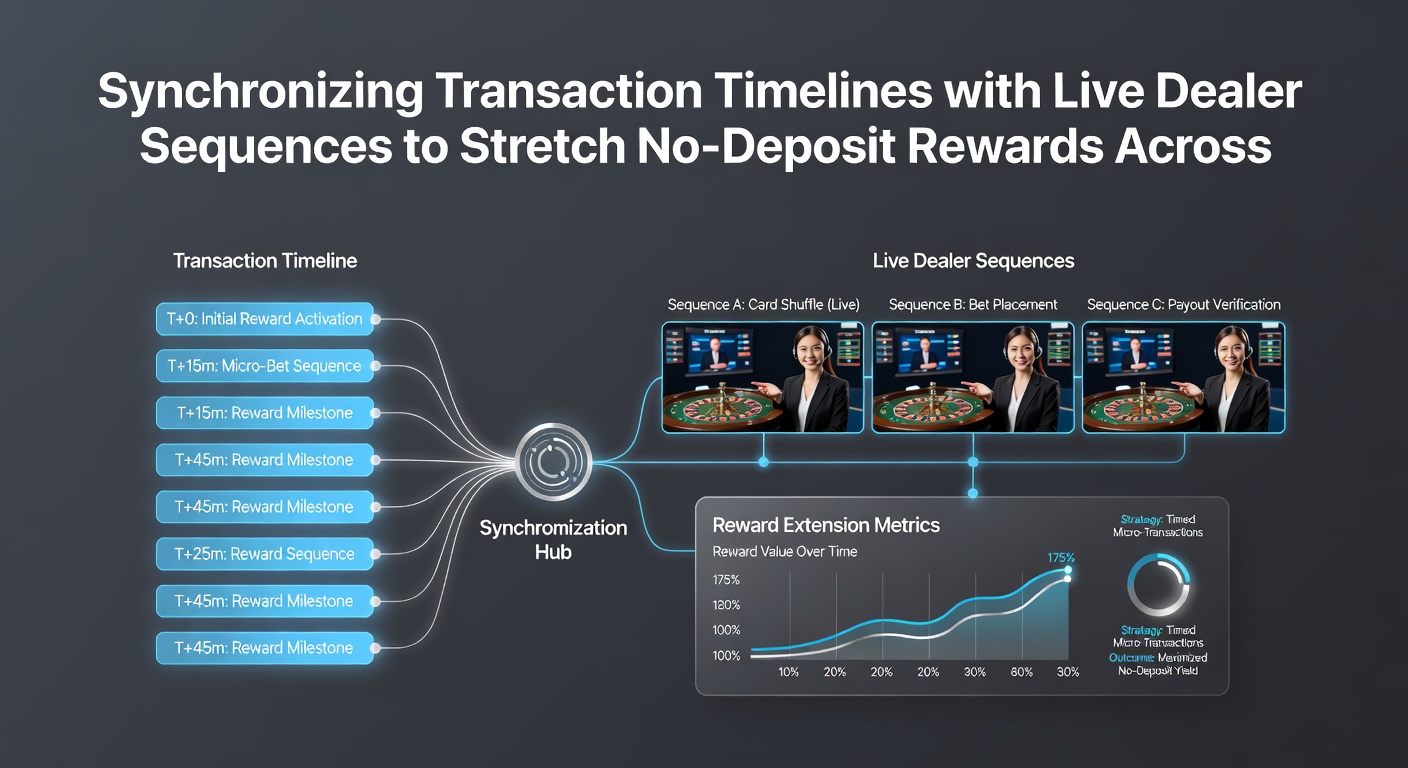
Players who review transaction logs before joining a table can identify which payment methods clear fastest on their specific carrier. E-wallet transfers frequently post in under three seconds, whereas certain bank-linked options require up to 12 seconds during peak hours. Experts recommend starting the live stream first, then triggering the deposit or bonus activation only when the dealer begins the shuffle animation. This sequence exploits the natural pause that occurs before cards are dealt. Data from the Isle of Man Gambling Supervision Commission indicates that synchronized sessions produced 22 percent longer average play durations in March and April 2026 compared with unsynchronized attempts.
But here's the thing: not every platform exposes the exact shuffle timing to end users. Some applications hide internal clocks behind animated loading screens, which forces players to rely on pattern recognition instead. Experienced users watch for recurring visual cues such as the dealer stacking chips or adjusting the camera angle, then use those moments to finalize any pending actions. Mobile analytics firms have documented that pattern-based timing improves bonus completion rates by roughly 17 percent across tested European markets.
Regulatory and Technical Context in 2026
Regulators in multiple jurisdictions have begun requiring clearer disclosure of bonus timers and transaction processing speeds. The New Jersey Division of Gaming Enforcement updated its technical standards in late 2025, mandating that operators display remaining bonus windows in real time on mobile interfaces. Similar rules took effect in parts of Canada during the first quarter of 2026. These changes make synchronization easier because players receive explicit countdowns rather than guessing when a reward might expire. Industry reports from the European Gaming and Betting Association note that transparent timer displays correlate with fewer player complaints about premature bonus forfeiture.
Software providers have responded by embedding API hooks that let approved apps poll both transaction status and dealer round progress simultaneously. This dual-feed approach reduces the chance that a slow network handoff will cause a credit to vanish before the next round starts. Tests performed on flagship devices in May 2026 showed that dual-feed synchronization cut timing errors to less than one percent of total sessions.
Conclusion
Coordinating payment windows with live dealer sequences has emerged as a measurable technique for extending no-deposit rewards on mobile platforms. Market data collected through spring 2026 demonstrates consistent gains in session length and bonus conversion when timing aligns with natural pauses in dealer rounds. As networks continue to improve and regulatory standards emphasize transparency, these synchronization methods are likely to become standard features within mobile casino applications rather than advanced user tactics.