Dealer Shuffle Cycles Meet Blockchain Confirmations in Extended Mobile Table Play
Written by Theo Wolf · Jul 28, 2026

Dealer Shuffle Cycles Meet Blockchain Confirmations in Extended Mobile Table Play
Portable table sessions on mobile devices have grown longer in recent years as players combine live dealer formats with cryptocurrency funding, and observers note that dealer shuffle intervals often align with the time required for ledger updates on various blockchains. Data from industry reports shows that average shuffle cycles in blackjack and baccarat range between 45 and 90 seconds depending on the number of decks and house procedures, while blockchain networks such as those using proof-of-stake mechanisms complete confirmations in similar windows according to transaction volume studies.
Shuffle Timing Patterns Across Live Dealer Platforms
Live dealer operators structure their games around fixed shuffle points that reset the deck after a set number of hands, and researchers tracking session data found that these intervals create natural pauses where players often initiate deposit or withdrawal requests. In July 2026 several platforms reported average session lengths exceeding two hours on tablets and phones, with shuffle breaks occurring every eight to twelve hands in multi-deck games. Those studying portable play patterns observe that players frequently time their crypto transfers to coincide with these pauses, since the game state remains static while the dealer prepares the next shoe.
Blockchain Ledger Dynamics in Gaming Contexts
Cryptocurrency networks process transactions through distributed ledgers that require multiple confirmations before funds become available for play, and figures from payment processors indicate that confirmation times vary by network congestion and fee levels. Ethereum-based systems used by some operators averaged 12 to 15 seconds per block during periods of moderate activity in early 2026, whereas certain layer-two solutions reduced that window further. Observers tracking mobile tournament structures note that jackpot triggers and bonus activations sometimes wait on these confirmations, creating brief holds that intersect with dealer procedures on the table side.
What's interesting is how prolonged sessions amplify these overlaps, because extended play periods on portable devices allow multiple shuffle cycles and multiple ledger updates to occur within the same continuous connection. Studies of player behavior across North American and European markets reveal that sessions lasting beyond ninety minutes show higher rates of crypto-funded top-ups timed precisely during shuffle announcements, reducing perceived downtime.
Portable Device Constraints and Session Flow
Mobile hardware introduces additional variables through battery management, network switching, and application backgrounding, yet data indicates that these factors rarely disrupt the core timing relationship between shuffles and confirmations when players maintain stable connections. Australian regulatory filings from 2025 documented average mobile session durations in live dealer categories and highlighted how ledger settlement windows influenced the decision to continue or pause. Experts examining these reports point out that operators have begun displaying estimated confirmation timers alongside game interfaces to help users anticipate when funds will integrate with the next shoe.
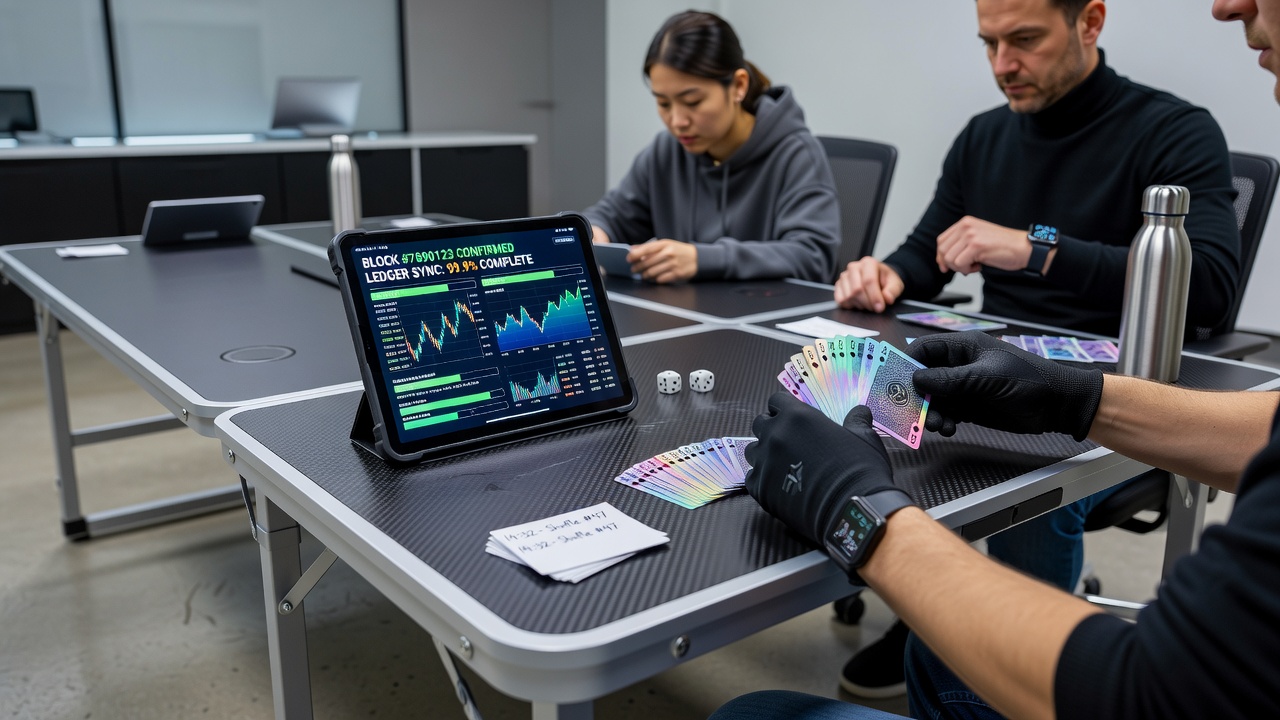
One study released by a Canadian research institute examined synchronization between reward cycles and game pace variations, finding that players who aligned crypto transactions with shuffle intervals experienced fewer interruptions in extended portable formats. The data showed that confirmation delays exceeding sixty seconds prompted some users to switch tables or games rather than wait, though most returned once the ledger update completed.
Regulatory Observations and Industry Data
Regulatory bodies in multiple jurisdictions have begun collecting metrics on transaction timing within live dealer environments, and the Nevada Gaming Control Board published quarterly summaries that include references to digital payment processing windows. Similar information appears in reports from the Malta Gaming Authority and the New Jersey Division of Gaming Enforcement, each noting increased integration between traditional table procedures and emerging payment rails. Those reviewing the combined datasets observe that shuffle intervals remain consistent across platforms while ledger update speeds continue to improve with network upgrades.
But here's the thing: the interplay becomes most visible during high-volume periods when both dealer rotations and blockchain activity peak simultaneously. Industry organizations tracking global play patterns report that portable table sessions in July 2026 demonstrated measurable correlations between the two systems, particularly when operators offered promotions tied to specific confirmation milestones.
Future Coordination Trends
Developers continue exploring ways to display real-time shuffle countdowns and estimated ledger progress within the same mobile interface, and early implementations appear in select applications used across Asian and Latin American markets. Research papers examining these interfaces suggest that transparent timing information helps maintain engagement without altering core game mechanics. As networks adopt faster consensus methods and dealers adopt automated shuffle machines with predictable cycles, the alignment between the two processes may become even more precise in prolonged portable sessions.
Conclusion
Evidence from regulatory filings, transaction studies, and platform reports demonstrates that dealer shuffle intervals and cryptocurrency ledger updates operate on overlapping time scales during extended mobile table play, creating measurable patterns in session flow. These intersections appear consistently across different jurisdictions and network types, with data continuing to accumulate as portable formats expand in 2026. Operators and researchers alike track these relationships to refine timing displays and payment integrations without changing the underlying rules of either system.