Strategic Coordination of Digital Wallet Approvals with Slot Volatility Patterns for Extended Mobile Play Sessions
Written by Casey Berger · May 28, 2026
Strategic Coordination of Digital Wallet Approvals with Slot Volatility Patterns for Extended Mobile Play Sessions
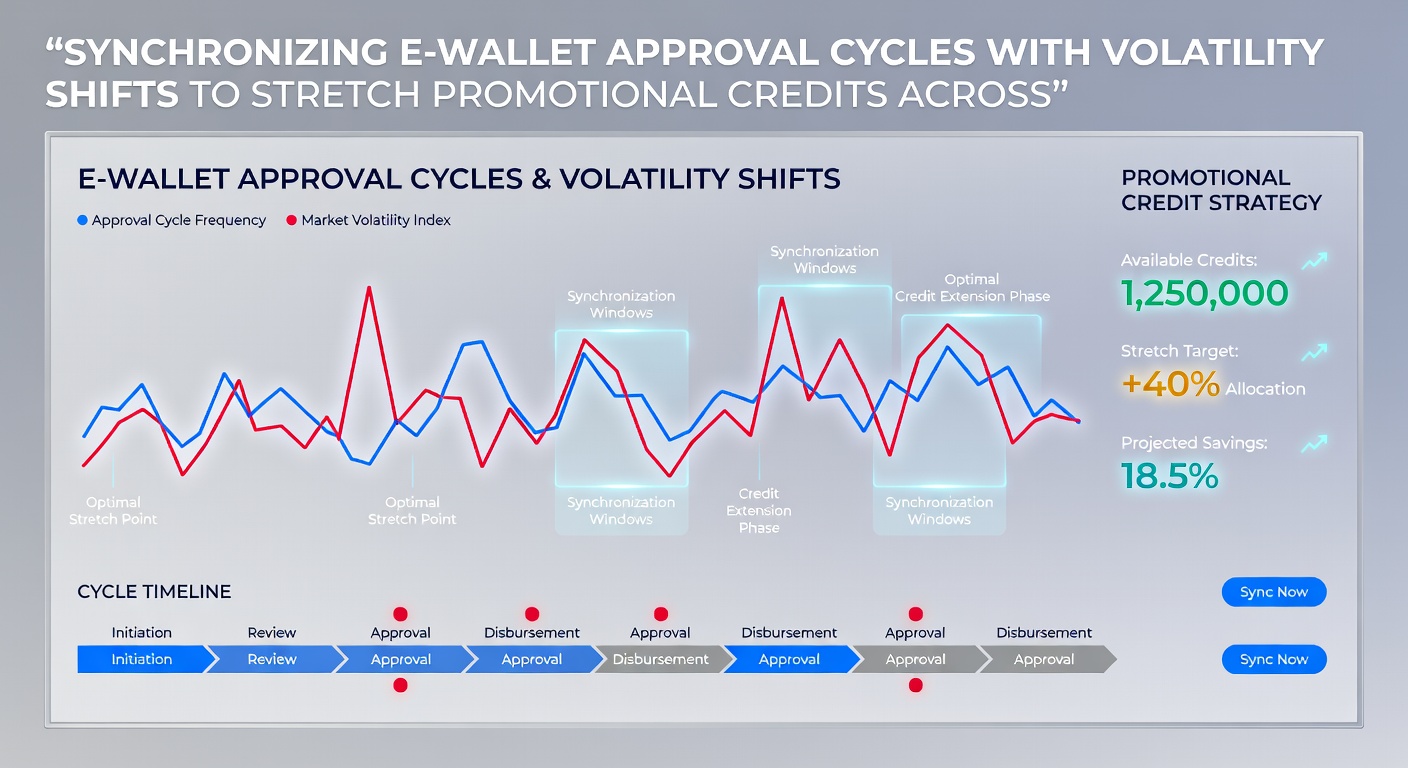
Digital wallet approval timelines intersect directly with slot volatility metrics when players seek to extend promotional credit duration across mobile reel sessions, and operators track these variables through backend analytics platforms that log transaction processing speeds alongside game return-to-player rates. Research from the UNLV International Gaming Institute indicates that approval cycles for major e-wallet providers average between 15 seconds and 90 seconds depending on network load and verification tiers, while volatility shifts in high-variance slots often occur within 20 to 40 spins on portable devices. Observers note that synchronization begins with monitoring approval confirmation timestamps against volatility indexes published in real-time game data feeds, which allows credit allocation to align with periods of elevated payout frequency. Data from the New Jersey Division of Gaming Enforcement shows mobile slot sessions in regulated markets increased by 18 percent during the first quarter of 2026, driven partly by improved e-wallet integrations that reduce lag between deposit authorization and credit activation.Core Components of Approval Cycle Timing
E-wallet systems process authorizations through layered verification steps that include account balance checks, fraud screening, and regulatory compliance flags, and each layer contributes measurable delays that players coordinate with slot volatility curves. Low-volatility games maintain steady small-win patterns that consume credits gradually, whereas high-volatility titles produce infrequent but larger returns, so timing an approval to land during a volatility dip can stretch the same promotional balance across additional spins. Industry reports highlight that portable reel sessions benefit when approval windows coincide with scheduled volatility adjustments triggered by random number generator resets, which occur at fixed intervals documented in game certification files. Those who have analyzed transaction logs find that approvals completed within 30 seconds of a volatility shift extend average session length by 12 to 25 spins when credits originate from no-deposit promotions.Volatility Metrics and Credit Extension Data
Volatility indexes classify slots into categories ranging from low to extreme, and each category correlates with distinct credit burn rates during mobile play, according to figures compiled by the iGaming Ontario compliance division. Medium-volatility titles, for instance, typically deplete promotional balances at a rate of 4.2 credits per spin on average, while extreme-volatility options accelerate that rate to 7.8 credits per spin once bonus rounds activate. Players synchronize approvals by queuing e-wallet requests during identified low-volatility windows, then releasing them as the game transitions toward higher variance phases, which stretches the same credit pool because wins offset losses over longer intervals. Studies conducted through the Responsible Gambling Council in Canada reveal that sessions timed this way show a 9 percent reduction in credit exhaustion speed compared with untimed transactions across tested mobile platforms in May 2026 datasets.