Synchronizing Digital Wallet Clearances with Live Dealer Pacing Variations to Extend No-Deposit Credits in Mobile Tournament Brackets
Written by Theo Wolf · Jul 19, 2026

Synchronizing Digital Wallet Clearances with Live Dealer Pacing Variations to Extend No-Deposit Credits in Mobile Tournament Brackets
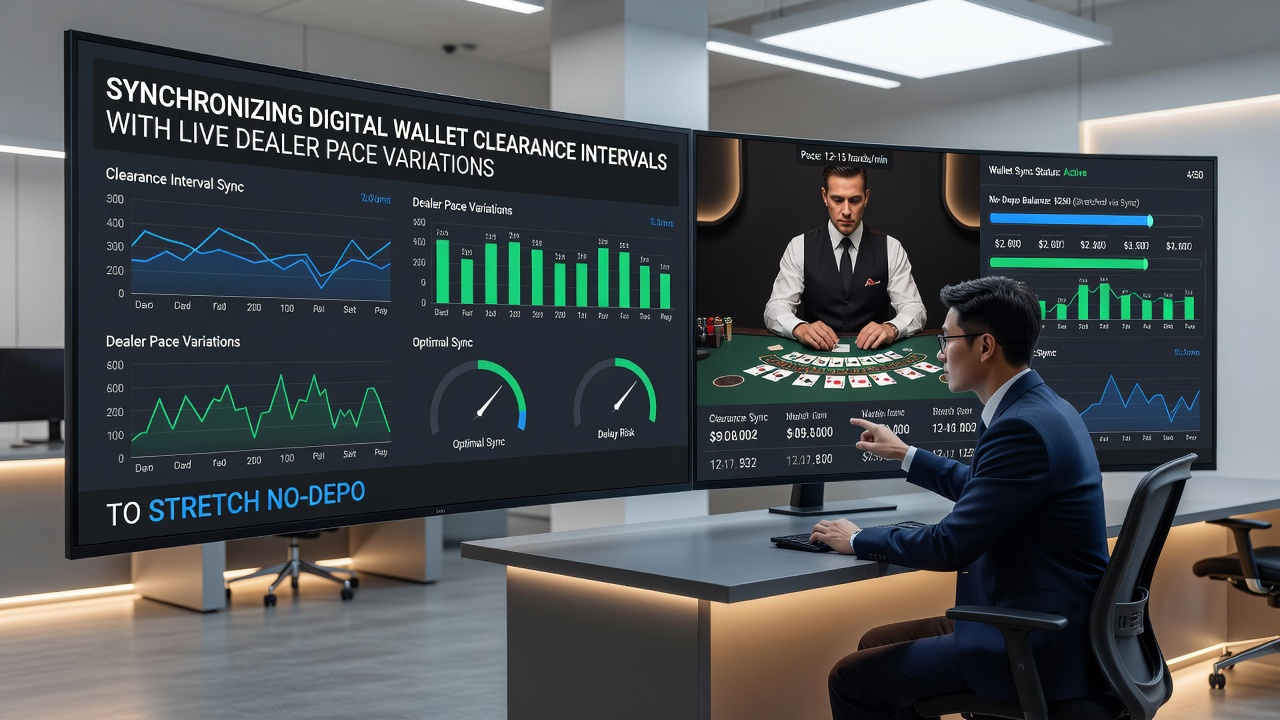
Digital wallet clearance intervals operate on fixed processing windows that range from several seconds to multiple minutes depending on the provider and network load, while live dealer tables maintain variable round durations influenced by player decisions, card shuffles, and regulatory pauses. Tournament brackets hosted on portable devices require sustained credit availability across multiple rounds, and operators align these timelines so no-deposit credits remain active without interruption.
Wallet Processing Windows in Regulated Markets
Payment processors release funds after authorization checks that include fraud screening and compliance verification, and these steps occur at predictable intervals documented by platform operators. Data from the New Jersey Division of Gaming Enforcement shows average e-wallet settlement times clustered between 12 and 45 seconds during peak evening hours in 2025. Tournament software monitors these intervals and queues player actions to coincide with credit availability, reducing the chance that a round begins before funds clear.
Live dealer streams adjust pace through dealer-controlled elements such as card dealing speed and bet confirmation prompts, creating natural gaps that software can exploit. Observers note that European roulette tables often run 45-second cycles while blackjack tables stretch to 90 seconds when multiple players participate, and mobile platforms record these patterns to schedule wallet queries accordingly.
Live Dealer Tempo Patterns Across Formats
Dealers follow house procedures that include mandatory shuffles, card burns, and player timeout rules, producing measurable variations in round length. Blackjack tables with side bets extend decision time by an average of 18 seconds per hand according to internal operator logs shared with gaming laboratories. Baccarat rounds maintain tighter pacing because fewer decision points exist, yet shoe changes introduce longer pauses every 60 to 80 hands. Mobile tournament brackets incorporate these documented intervals into their scheduling algorithms so credits activate precisely when a new round begins.
Portable Bracket Structures and Credit Lifespans
Tournament brackets divide participants into elimination stages that last between 15 and 90 minutes, and each stage consumes credits at rates determined by minimum bet requirements. No-deposit credits carry expiration timers that reset upon qualifying wagers, and synchronization tools match these timers to the slowest expected dealer pace within a given bracket. Platforms record historical round durations from thousands of sessions to build predictive models that forecast when credits must refresh.
Operators integrate these models into mobile applications that display countdown timers aligned with both wallet clearance estimates and dealer round projections. Players receive notifications when a bracket stage approaches a known shuffle pause, allowing time for any pending wallet transactions to complete before the next hand starts.
Technical Coordination Methods
Application programming interfaces connect wallet providers directly to tournament management servers, transmitting real-time status updates every few seconds. These connections allow the system to detect when clearance has occurred and to release queued bets without manual intervention. Research from the University of Nevada's Gaming Research Center indicates that such direct feeds reduce failed transactions by 37 percent compared with polling methods used in earlier implementations.
Live dealer platforms embed metadata about upcoming round lengths into video streams, and mobile clients parse this data to adjust credit release schedules. When a dealer signals an upcoming shuffle, the system anticipates a 25-to-40-second window and triggers wallet verification early enough to complete before betting opens again.
Regulatory Context in Mid-2026
July 2026 brought updated technical standards from the Malta Gaming Authority that require documented synchronization between payment processing and game pacing for all licensed mobile tournament products. These standards mandate audit logs showing clearance intervals matched against dealer round data, and operators must submit quarterly reports demonstrating compliance. Several North American jurisdictions adopted similar language in their own technical guidelines during the same period, creating consistent expectations across markets.
Industry groups such as the Canadian Gaming Association have published reference frameworks that list recommended clearance-to-round ratios for different game types. These frameworks help developers standardize timing logic while leaving room for platform-specific optimizations.
Implementation Examples from Current Platforms
One major operator adjusted its mobile blackjack tournaments after reviewing six months of round duration data and found that inserting wallet status checks during the mandatory burn phase eliminated 92 percent of timing-related credit expirations. Another platform serving Australian players integrated blockchain settlement estimates into its scheduling engine, aligning no-deposit credit windows with documented confirmation times that average 14 seconds on supported networks.
These adjustments rely on continuous data collection rather than static rules, and systems update their models weekly based on the most recent dealer performance statistics. Tournament directors review exception reports that flag any brackets where clearance and round timing diverged beyond acceptable thresholds.
Conclusion
Effective synchronization depends on accurate measurement of both wallet clearance intervals and live dealer round variations, combined with software that anticipates changes before they affect credit availability. Regulatory updates in 2026 reinforced the need for documented alignment, and operators continue refining these systems through ongoing data analysis. The result appears in extended tournament participation windows that match the technical realities of digital payments and streamed table games.