Synchronizing Electronic Fund Approval Processes with Live Interactive Dealer Timings on Handheld Devices
Written by Morgan Zimmermann · Jul 30, 2026
Synchronizing Electronic Fund Approval Processes with Live Interactive Dealer Timings on Handheld Devices
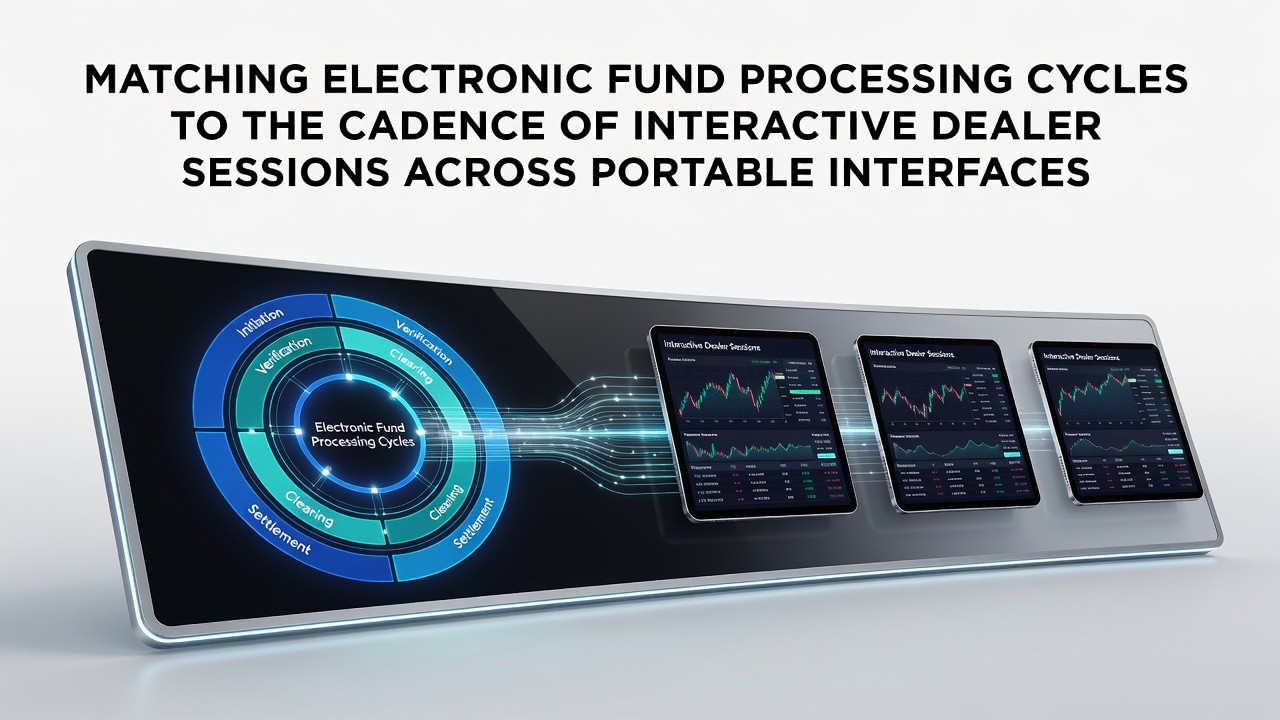
Electronic fund processing cycles now align with the pacing of interactive dealer sessions on portable interfaces through coordinated timing mechanisms that match transaction approvals to game round durations, and this synchronization supports extended play periods across mobile platforms where operators track processing windows against dealer action sequences. Data from industry systems shows that such alignments reduce delays between fund availability and session starts, while payment gateways handle batch verifications in intervals that correspond to typical round lengths ranging from 30 to 90 seconds in live dealer formats.
Core Technical Elements of Cycle Matching
Portable interfaces require application programming interfaces that query fund status at intervals synchronized with dealer announcements, and these queries integrate with backend ledgers to confirm balances before each new round begins. Researchers at various technology firms have documented how mobile applications poll processing servers during the brief pauses between dealer actions, which allows credits to appear without interrupting the flow of table games such as blackjack or roulette. Figures from platform analytics indicate that successful matches occur when processing times fall within 500 milliseconds of dealer cue points, and this precision prevents session interruptions that previously affected user retention rates in earlier implementations.
Operators deploy algorithms that predict cycle lengths based on historical transaction data from specific regions, and these predictions adjust for network latency variations across different mobile carriers. In July 2026 several major platforms updated their matching protocols to incorporate real-time carrier speed metrics, which improved approval rates during peak evening hours when dealer sessions run continuously.
Regional Implementation Patterns
North American operators have adopted standardized timing protocols that reference guidelines from the Nevada Gaming Control Board, and these protocols specify maximum allowable lags between fund verification and game initiation on mobile devices. European systems follow similar coordination standards issued by the Malta Gaming Authority, where data logs demonstrate that matched cycles correlate with higher volumes of completed dealer rounds per session. Australian platforms apply comparable methods under oversight from state regulatory bodies, and reports show reduced processing errors when cycles align directly with the variable speeds of live dealer presentations.
Payment processors integrate with mobile operating systems through dedicated software development kits that monitor both network conditions and dealer stream buffers, and this dual monitoring enables dynamic adjustments to approval queues. One documented case involved a platform that reduced average wait times by 22 percent after implementing cycle synchronization across its handheld application suite.
Impact on Session Continuity and Data Metrics
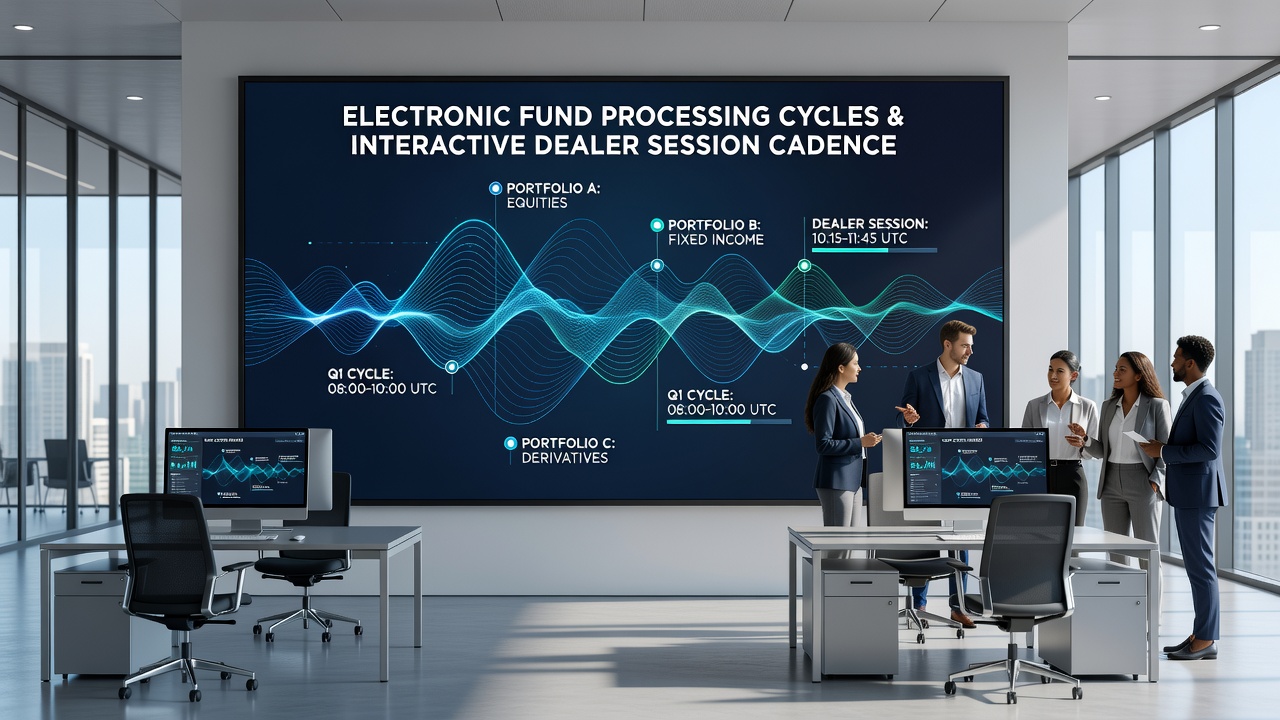
Studies conducted by academic groups focusing on digital transaction systems reveal that matched processing cycles extend average session lengths on portable interfaces by aligning fund releases with the natural rhythm of dealer interactions. Metrics collected from multiple operators indicate that sessions incorporating these alignments experience fewer mid-round pauses, and user activity logs confirm sustained engagement when approvals occur within the cadence of ongoing games. Industry reports further note that such synchronization supports multi-table participation, where players switch between dealer sessions without encountering fund verification bottlenecks.
Blockchain-based verification layers add another dimension, as confirmation blocks must arrive before dealer rounds conclude to maintain credit continuity, and platforms now schedule these confirmations to coincide with known dealer action patterns. Data shared through trade associations demonstrates measurable improvements in transaction success rates when these layers operate in tandem with mobile session timers.
Future Adjustments and Monitoring Approaches
Developers continue to refine matching algorithms by incorporating machine learning models trained on dealer session datasets from various time zones, and these models forecast optimal processing windows based on historical round durations. Regulatory updates scheduled for later in 2026 are expected to require additional reporting on cycle alignment performance, which will provide further datasets for analysis across different portable platforms. Observers note that ongoing collaboration between payment providers and game studios produces incremental gains in synchronization accuracy, particularly as mobile hardware capabilities advance.
Conclusion
Matching electronic fund processing cycles to the cadence of interactive dealer sessions across portable interfaces relies on precise technical coordination, regional regulatory frameworks, and continuous data monitoring that together maintain session flow. Evidence from platform metrics and oversight reports confirms that these alignments support consistent transaction handling during live dealer activities on mobile devices, and further refinements are anticipated as systems evolve through 2026 and beyond.