Synchronizing Mobile Tournament Payout Structures with Blockchain Confirmation Timelines in Global Play
Written by Clara Beck · Jun 4, 2026
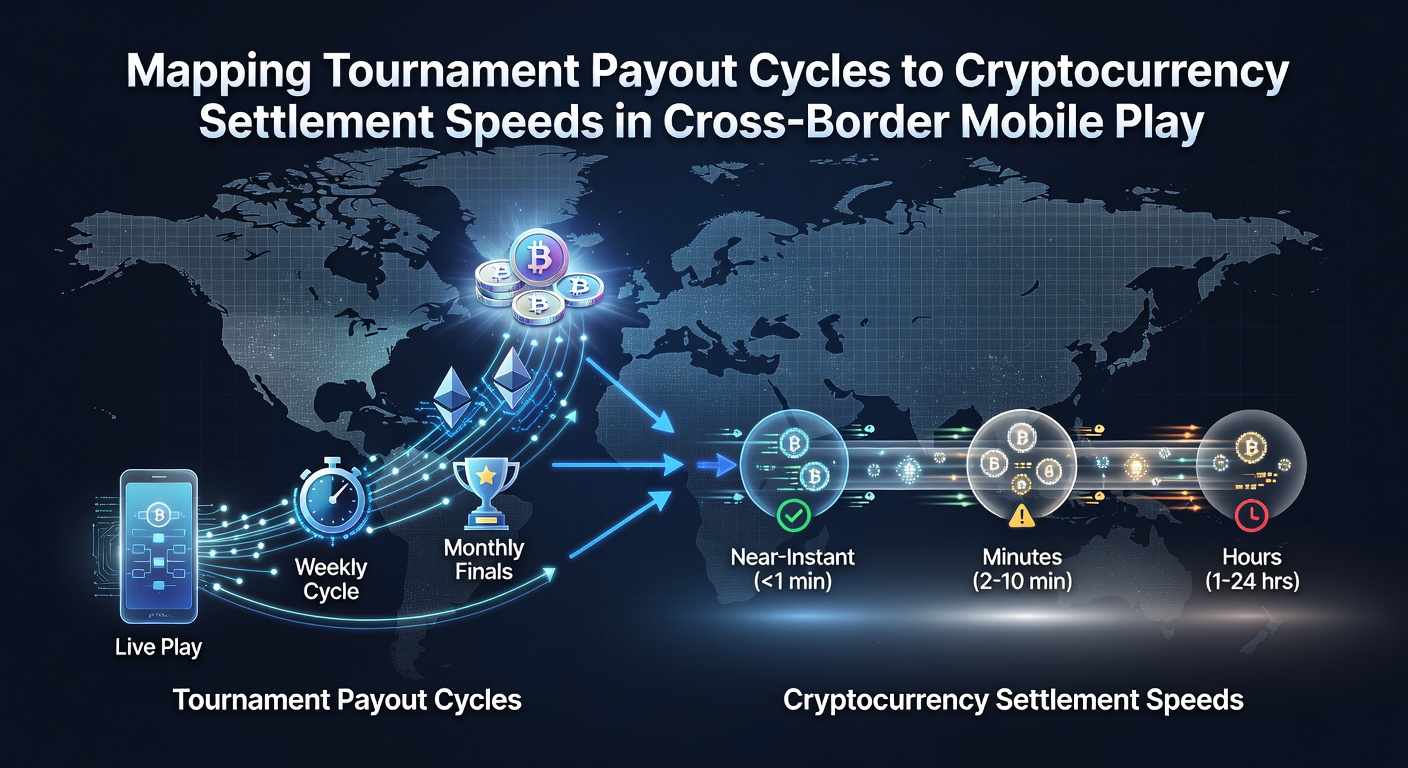
Synchronizing Mobile Tournament Payout Structures with Blockchain Confirmation Timelines in Global Play
Operators track tournament payout cycles through scheduled reward releases that occur at fixed intervals such as daily leaderboards or weekly final settlements while cryptocurrency networks process transactions in blocks that confirm at varying speeds depending on the chain and network load. Researchers map these cycles by aligning expected payout timestamps with average settlement durations for assets like Bitcoin and stablecoins in order to reduce delays for participants located across multiple jurisdictions.
Defining Tournament Payout Cycles in Mobile Environments
Tournament structures release funds according to completion triggers that range from real-time mini-leaderboard awards to end-of-event bulk distributions, and data shows these releases cluster around peak activity windows such as evenings in major time zones. Observers note that mobile platforms coordinate these cycles with player session lengths so that winners receive credits before the next round begins, which keeps engagement steady across borders where banking hours differ.
Cryptocurrency Settlement Characteristics
Blockchain confirmation times vary by protocol, with some networks achieving finality in under a minute while others require multiple blocks that extend to fifteen or thirty minutes during congestion. Figures from industry reports reveal that stablecoin transfers on faster chains settle quicker than native tokens, allowing operators to match payout timing more precisely when participants convert winnings immediately for further play or withdrawal.
Cross-Border Timing Challenges
Jurisdictional differences in regulatory reporting add layers because certain regions require transaction logging within specific windows after settlement occurs. In June 2026 several Asian markets updated their digital asset guidelines to require operators to document payout confirmations within two hours of blockchain finality, which forces tighter alignment between tournament schedules and network speeds. Those who've studied these updates find that platforms using multi-chain routing can shift to lower-latency options when primary networks slow down, thereby preserving the intended payout rhythm for international users.
Mapping Techniques and Data Integration
Analysts overlay historical payout data onto blockchain explorer records to identify patterns where settlement lags exceed acceptable windows for mobile users. Research indicates that operators who integrate real-time gas fee monitoring with tournament calendars can predict delays and adjust prize release sequences accordingly, and this approach appears in several large-scale implementations across North American and European markets. A report issued by the Nevada Gaming Control Board highlights how tracked correlations between cycle frequency and average confirmation times improved operational efficiency for cross-border events.
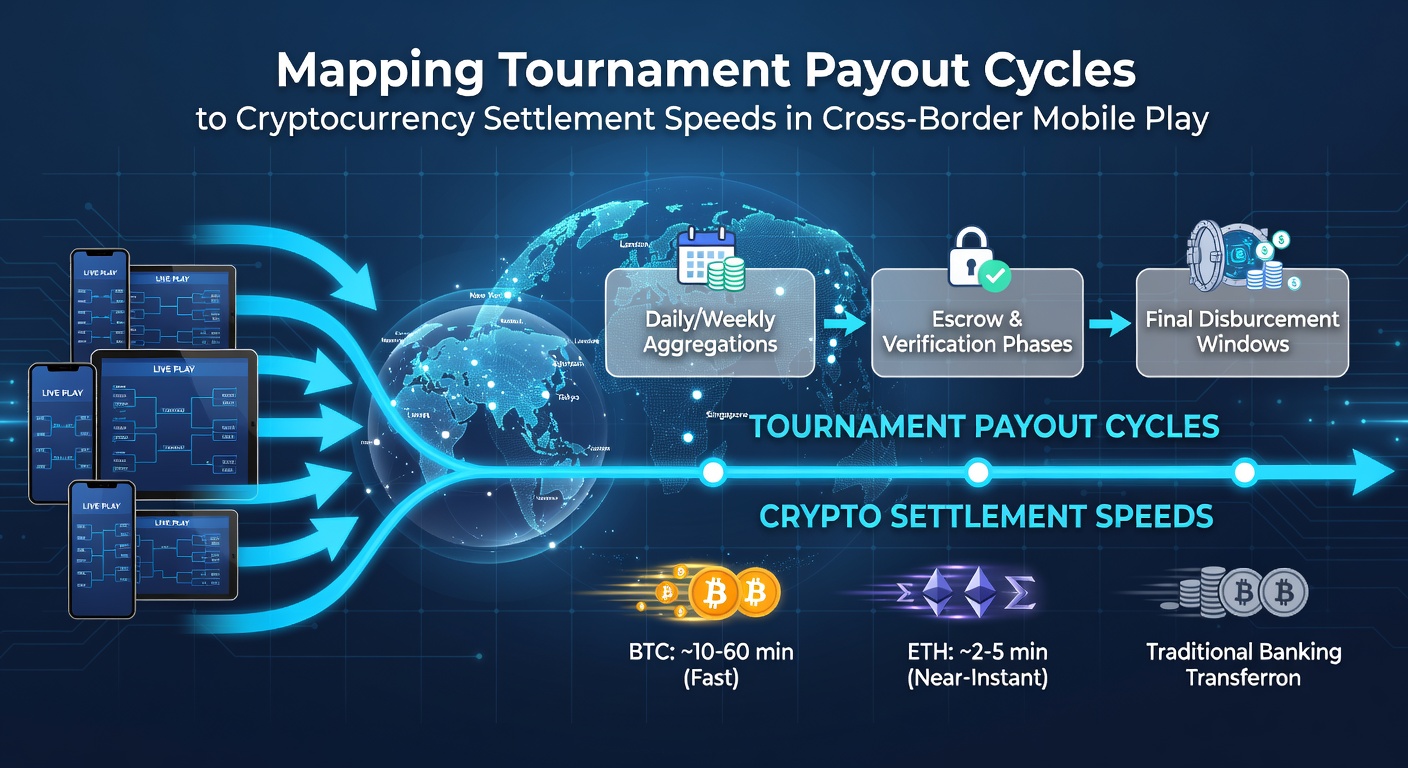
One study revealed that platforms employing predictive algorithms reduced average player wait times by shifting certain leaderboard settlements to chains with consistent sub-five-minute finality during high-volume periods. People who've examined these systems often discover that combining on-chain analytics with tournament metadata creates clearer forecasts, especially when currency fluctuations influence which assets players prefer for instant access.
Regulatory and Operational Examples
The Casino Regulatory Authority of Singapore published guidelines in early 2026 that encourage operators to publish expected settlement ranges alongside tournament rules so participants understand timing variables before entry. According to data compiled by the Canadian Gaming Association, cross-border events that synchronized payout cycles with stablecoin networks recorded fewer support tickets related to delayed funds compared with those relying solely on traditional rails.
Yet practical mapping also accounts for weekend network congestion and holiday processing variations that can extend settlement beyond weekday averages. Operators therefore maintain fallback protocols that reroute payments to alternate chains when primary confirmation queues lengthen unexpectedly.
Conclusion
Aligning mobile tournament payout cycles with cryptocurrency settlement speeds requires continuous monitoring of both gaming schedules and network performance metrics across regions. As platforms refine these mappings through integrated data tools and updated regulatory frameworks, the coordination between reward releases and blockchain finality continues to shape how international participants experience mobile play timing in 2026 and beyond.