The Rhythm of Rewards: How Regulatory License Renewals Shape Mobile Bonus Windows Across Live Dealer and Slot Ecosystems
Written by Casey Berger · Aug 18, 2026
The Rhythm of Rewards: How Regulatory License Renewals Shape Mobile Bonus Windows Across Live Dealer and Slot Ecosystems
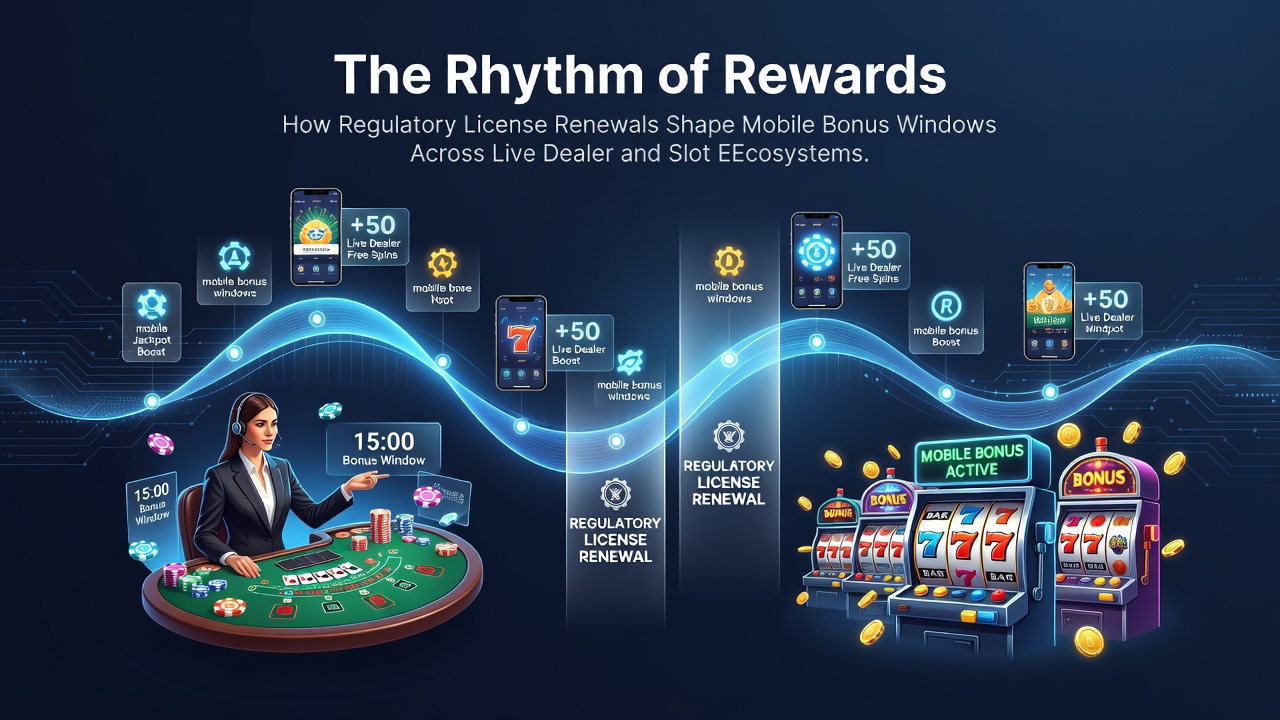
Regulatory license renewals create structured timelines that operators must follow when adjusting mobile bonus availability in both live dealer and slot environments, and these cycles often determine when promotional windows open or close for players across different jurisdictions.
License Renewal Mechanics and Their Direct Influence on Bonus Scheduling
Operators submit renewal applications months in advance, which triggers compliance reviews that examine player protection measures including the timing and duration of deposit-match offers and free-spin promotions on mobile platforms. Data from state gaming boards shows that approval periods typically span 90 to 180 days, during which operators freeze or extend certain bonus structures to demonstrate ongoing adherence to responsible gaming standards. Those who track these filings note that bonus windows frequently align with post-renewal effective dates because regulators require updated terms to reflect any new conditions imposed during the review process.
In practice, a renewal decision issued in one quarter can shift mobile slot bonus activation patterns for the following two quarters while live dealer tables adjust session-based rewards to match revised reporting requirements. Observers have documented cases where operators delayed no-deposit credit releases until after final approval to avoid compliance gaps that could jeopardize the license itself.
Regional Variations in Renewal Timing Across Major Markets
Different jurisdictions impose distinct renewal cadences that ripple through mobile ecosystems in measurable ways. Several U.S. states conduct annual or biennial reviews, whereas international markets such as those overseen by the Malta Gaming Authority operate on five-year cycles with interim audits. These staggered schedules mean that operators active in multiple regions must coordinate bonus calendars across platforms to satisfy each regulator simultaneously. Figures released by the American Gaming Association indicate that multi-jurisdictional operators allocate dedicated compliance teams specifically to track renewal deadlines and adjust promotional calendars accordingly.
August 2026 marks a cluster of renewal deadlines in several mid-sized markets, and operators have already begun pre-positioning mobile bonus structures to accommodate expected conditions. Live dealer sessions, which rely on real-time pacing, often see shorter bonus windows during these transition months because regulators scrutinize game-speed data more closely during active review periods.
Impact on Slot Ecosystems Versus Live Dealer Environments
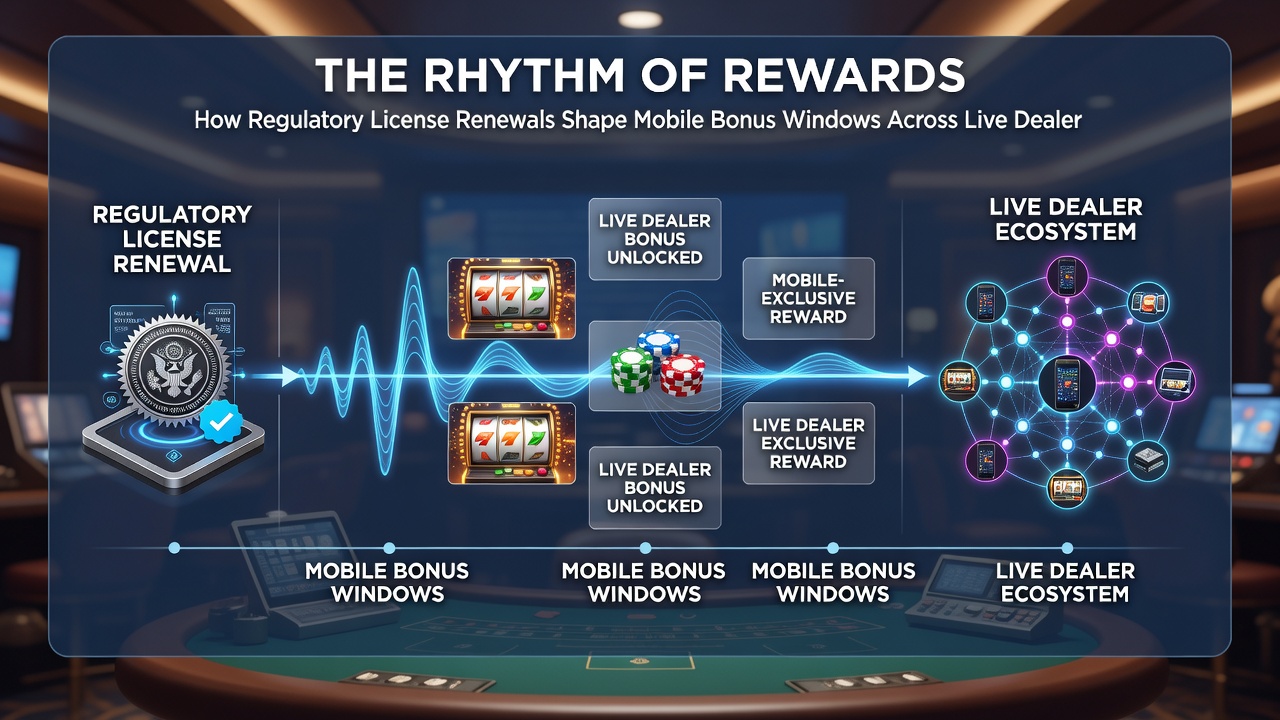
Slot bonus windows tend to follow longer, more predictable cycles tied directly to renewal milestones because automated systems can be programmed in advance to release free spins or multiplier boosts once regulatory sign-off occurs. In contrast, live dealer bonus timing incorporates additional variables such as dealer shift schedules and table minimum adjustments that regulators sometimes require during renewal evaluations. Research compiled by the National Council of Legislators from Gaming States shows that operators adjust live dealer promotional credits more frequently within a single renewal cycle compared with slot offerings, which remain static until the next approval window opens.
One documented pattern involves operators extending slot bonus eligibility periods immediately after renewal to compensate for any temporary restrictions placed on live dealer rewards during the review phase. This creates alternating rhythms where mobile slot promotions expand while live dealer incentives contract, then reverse once subsequent compliance checks conclude.
Coordination Between Regulators and Mobile Platform Requirements
Regulators increasingly request granular data on mobile bonus redemption rates as part of the renewal dossier, which forces operators to maintain precise logs of when and how often players activate offers across both game types. These reporting obligations directly influence the length of bonus windows because operators calibrate durations to produce statistically stable redemption figures that satisfy oversight bodies. Industry reports from the Canadian Gaming Association highlight similar data-collection mandates in provincial reviews, where mobile-specific metrics now carry equal weight to traditional desktop activity.
Operators that maintain separate bonus calendars for live dealer and slot products often find they must synchronize these calendars more tightly when renewal reviews overlap, because regulators examine cross-product consistency to ensure no segment receives preferential treatment that could indicate unfair practices.
Future Outlook for Renewal-Driven Bonus Adjustments
Upcoming renewal waves scheduled through late 2026 and into 2027 are expected to incorporate expanded requirements around mobile geolocation verification and bonus eligibility auditing. These additions will likely compress or extend promotional windows depending on how quickly operators can demonstrate compliance with the new standards. Data indicates that jurisdictions introducing such measures have already observed measurable shifts in the timing of both slot and live dealer mobile rewards during the preceding renewal periods.
Conclusion
License renewal processes establish recurring checkpoints that operators use to recalibrate mobile bonus structures across live dealer and slot ecosystems, creating predictable yet jurisdiction-specific rhythms that shape when and how rewards become available to players. As regulatory scrutiny continues to emphasize data transparency and cross-product consistency, these renewal cycles will remain central to the scheduling of promotional activity in mobile gaming environments.